Mobile Notification Frameworks in Live Poker Applications Coordinating Risk Alerts with Promotional Obligations
Écrit par Finley Flores · 30/8/2026
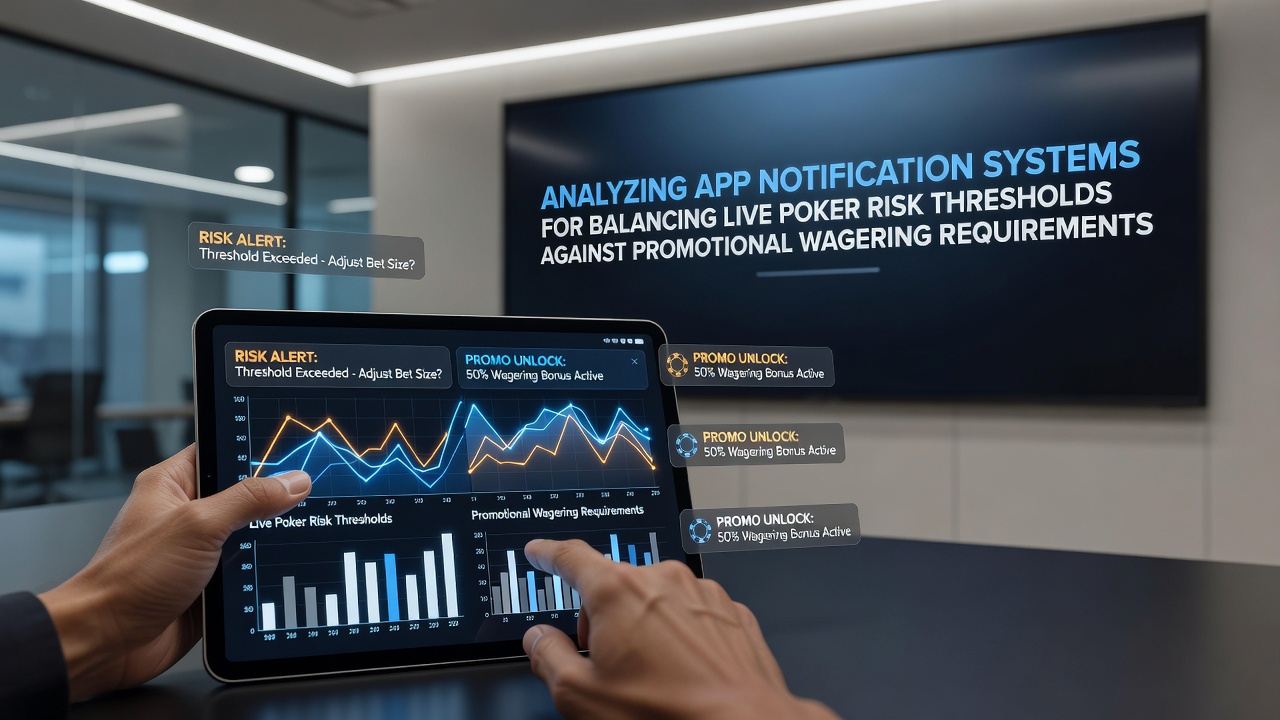
Mobile Notification Frameworks in Live Poker Applications Coordinating Risk Alerts with Promotional Obligations
App developers design notification systems that process real-time data from live poker tables alongside promotional tracking modules, and these frameworks deliver alerts when players near predefined loss limits or when bonus playthrough percentages require additional hands. Systems pull inputs from session duration, average bet sizes, and current bankroll metrics to generate timed messages that appear without disrupting active gameplay at virtual tables.
Core Components of Notification Delivery
Push services operate through layered architectures that combine device-level permissions with backend algorithms, while live poker streams feed continuous updates on pot sizes and opponent actions into the same pipeline. Algorithms calculate risk exposure by comparing current variance against historical session data, and they trigger warnings when thresholds cross user-set boundaries or when promotional requirements demand further volume to unlock withdrawals. Developers incorporate frequency caps so that alerts do not flood screens during high-action moments such as river decisions or all-in confrontations.
Integration points connect directly to wagering requirement trackers that log every contributed rake and every hand played toward bonus completion, and these trackers run parallel to risk engines that monitor drawdown percentages. When a player sits at a live table with an active deposit bonus, the notification layer cross-references both datasets before deciding whether to surface a message about remaining playthrough or about approaching stop-loss points. Observers note that platforms rolled out refined versions of these cross-checks during platform updates completed in August 2026, allowing more precise timing based on table stakes and remaining bonus cycles.
Data Inputs and Threshold Calculations
Live poker environments generate high-frequency data points that include fold frequencies, aggression factors, and stack-to-pot ratios, and notification engines incorporate subsets of these metrics when assessing whether a session risks breaching personal limits. Promotional modules track separate counters for eligible game types and minimum bet requirements, then feed those counters into the same decision tree that governs risk alerts. Studies from research institutions show that unified data models reduce conflicting messages by merging the two streams into single, prioritized notifications rather than separate pop-ups.
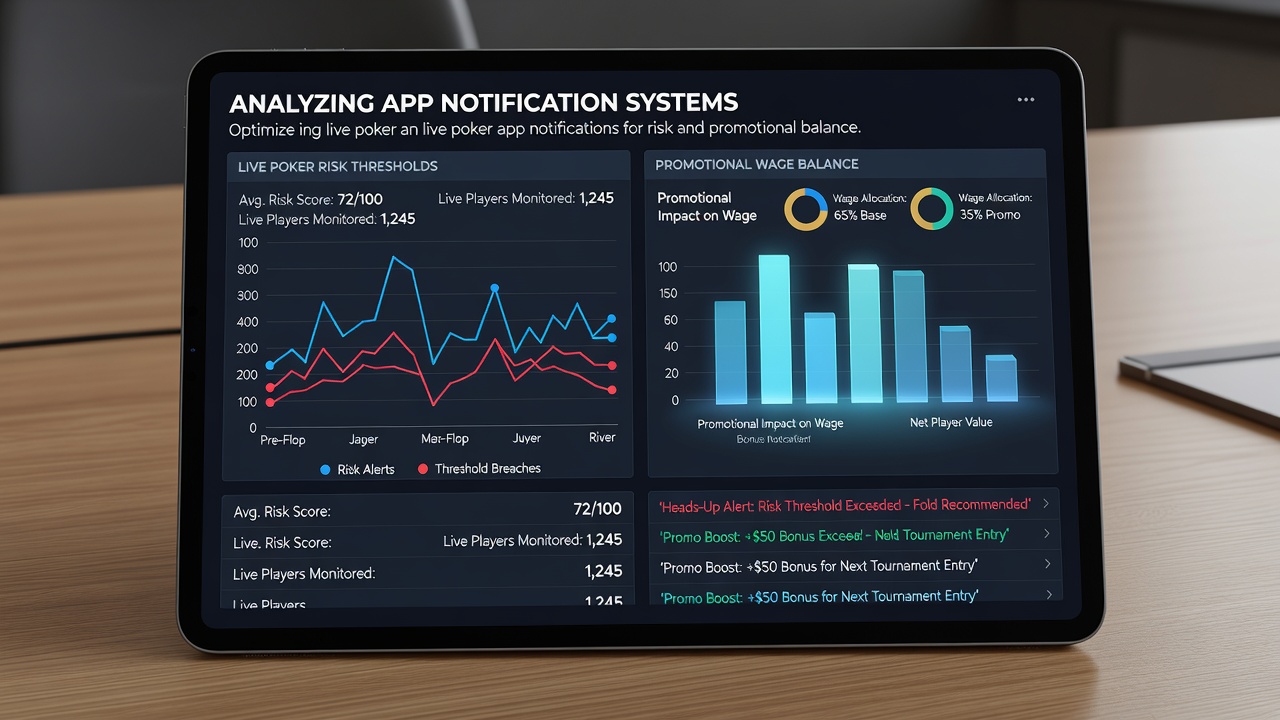
One case documented by industry analysts involved a mid-stakes player who received a combined alert stating both the remaining hands needed for a welcome bonus and the proximity to a daily loss ceiling, and the message appeared between hands without requiring the user to leave the table interface. Such combined alerts rely on weighted priority scores that elevate risk warnings above promotional reminders when drawdown percentages accelerate quickly. Regulatory filings from Canadian provincial authorities indicate that operators must log all such alerts for compliance audits, creating datasets that researchers later use to evaluate notification effectiveness across player cohorts.
Regional Regulatory Influences on Alert Design
Australian state gaming commissions require operators to include opt-out toggles for promotional notifications while mandating that risk-related messages remain active, and these rules shape how developers structure their backend rules engines. European data protection frameworks add constraints on the types of personal metrics that can trigger personalized alerts, forcing anonymized aggregation before any cross-referencing between live table activity and bonus progress occurs. Platforms adjust notification content accordingly, presenting generic risk language when privacy rules limit individual profiling yet still conveying actionable thresholds derived from aggregate session statistics.
Industry reports from the National Council on Problem Gambling highlight that properly timed alerts correlate with lower rates of extended losing sessions, although the same reports note that promotional requirements can create counter-pressure when bonuses carry short expiration windows. Notification systems therefore embed expiration timers into their logic so that players receive reminders calibrated to both risk exposure and remaining bonus validity periods.
Technical Implementation Patterns
Modern implementations use event-driven architectures where table state changes publish to message queues that feed both risk and promotional calculation services, and these services output unified payloads to mobile push gateways. Latency measurements from platform telemetry show that combined alerts reach devices within 800 milliseconds of the triggering event during live play, a speed achieved by pre-computing threshold boundaries at the start of each session. Developers test these pipelines against simulated high-volume scenarios that replicate August 2026 traffic peaks observed during major tournament series.
Additional safeguards include machine-learning models that learn individual response patterns to previous alerts, allowing the system to suppress redundant messages when users consistently ignore certain risk notifications yet still surface critical promotional deadlines. This adaptive layer operates within the same framework that balances live poker variance against wagering obligations, ensuring neither category dominates the notification queue.
Conclusion
Notification systems in live poker applications continue to evolve through tighter integration of risk monitoring and promotional tracking, supported by regulatory requirements across multiple jurisdictions and by technical advances in real-time data processing. Data from compliance reports and platform telemetry confirm that unified alert mechanisms provide players with coordinated information on both fronts without requiring separate monitoring tools. Future iterations will likely refine priority weighting further as new live table formats and bonus structures enter the market.